Our Culture
The Mediterranean diet is not just a dietary pattern; it is a way of life rooted in centuries of tradition and balance.
At its heart is Crete, the place of origin of ELMAR CRETE SA, where the mild climate, fertile soil, and traditional cultivation methods have created products of unique quality.
A key characteristic of the Mediterranean diet is its emphasis on plant-based foods, healthy fats, and natural flavor. Olive oil, rich in antioxidants and monounsaturated fats, is the cornerstone of this diet. From the extra virgin olive oil to the specialized blends we produce, ELMAR CRETE SA continues this tradition of quality, ensuring taste and nutritional value in every drop.
Alongside olive oil, edible olives constitute another emblematic element. Our olives, from the green Chalkidiki to the black Kalamon, are known for their full flavor and natural processing. They combine ideally with vegetables, cheeses, and cereals, contributing to a balanced daily diet.
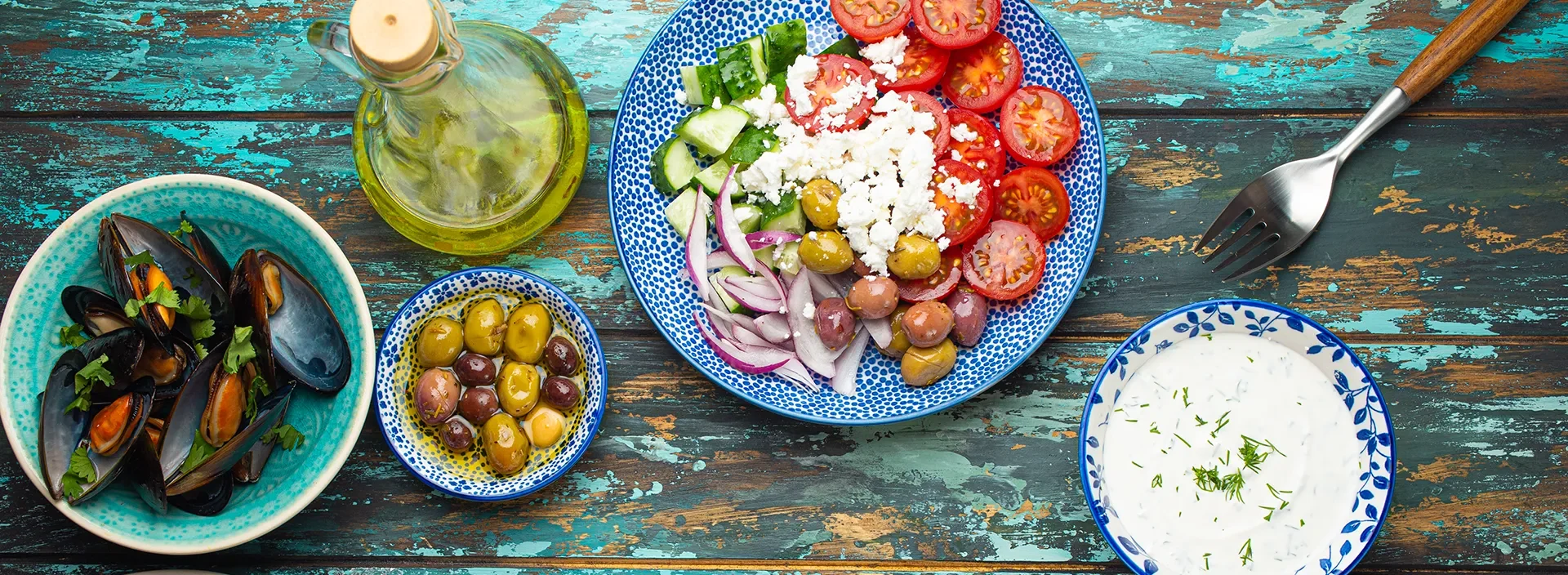
The Mediterranean diet, however, is not limited only to olive oil and olives. It includes PDO cheeses like feta, as well as vegetables in brine, such as green peppers, which enhance the taste variety of meals. All these products are part of the range we produce with strict quality standards, certified with ISO 22000 and IFS.
In today’s era, where healthy eating is becoming increasingly important for consumers worldwide, the Mediterranean diet is recognized as one of the most balanced nutritional models. Studies show that it contributes to longevity, improved cardiovascular health, and the prevention of chronic diseases.
ELMAR CRETE SA aims to transfer this tradition from Crete to the world, offering authentic products that embody the essence of the Mediterranean way of life. Whether it’s private label or our available product lines, every collaboration is based on quality, authenticity, and flavor superiority.
The “liquid gold of the Mediterranean”, according to the characterization given by Homer for olive oil, comes from the pressing of the olive fruit and is considered a structural component of the Mediterranean diet, a global benchmark for healthy eating, due to its high content of monounsaturated fatty acids (MUFA) and phenolic compounds.
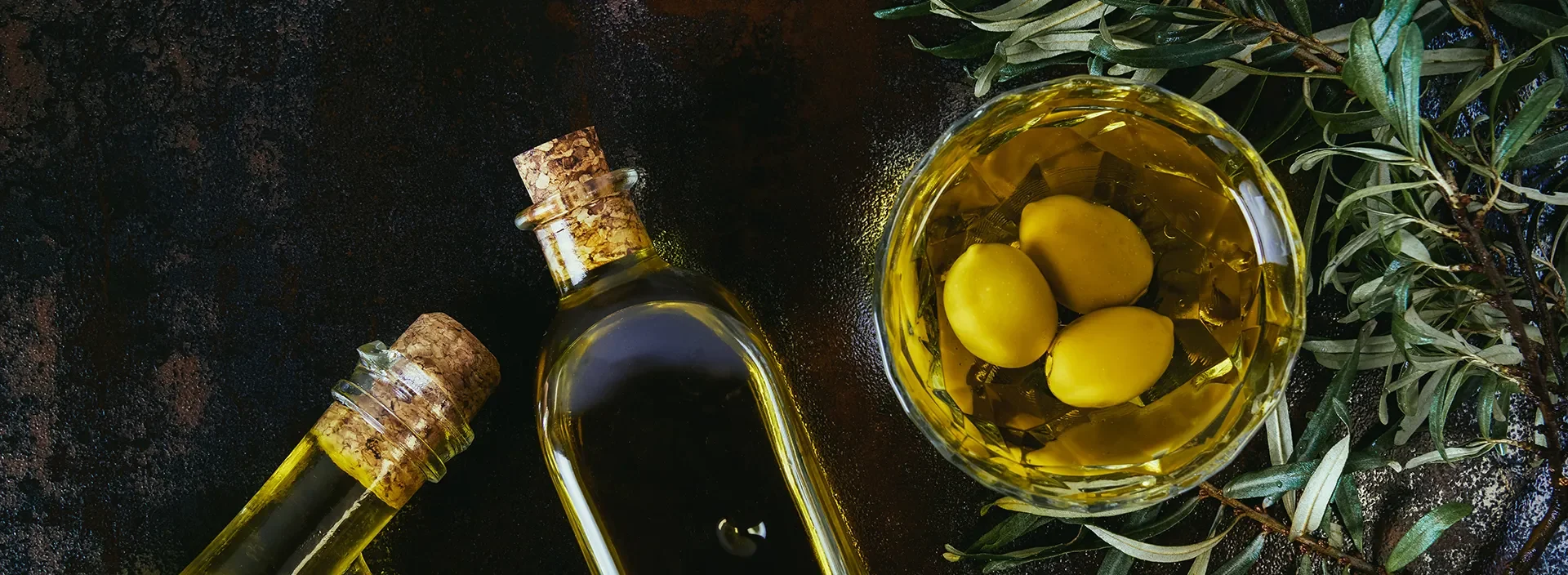
With a history as old as humanity and its identification as a symbol of victory, peace, health, and longevity, it was inevitable that the olive would yield a “juice” with multiple uses and benefits for humans.
Olive oil, besides being a staple food, has been used over the years and in some cases until today, for lighting, perfume production, food preservation, as a means of combating metal oxidation, as well as for religious, therapeutic, and aesthetic purposes.
Its nutritional wealth of monounsaturated fatty acids, phenolic compounds, and vitamins give it significant antioxidant, anti-inflammatory, and chemo-protective properties.
European studies and research (Menotti et al., 1999, European Journal of Epidemiology and Covas et al., 2006, Annals of Internal Medicine), have proven the following benefits for humans:
- Reduction of factors responsible for cardiovascular diseases.
- Protection from gastrointestinal diseases.
- Therapeutic properties for burns.
- Stomach aches.
- Management of high blood pressure.
- Management of cholesterol.
- Reduction of fat concentration in the liver.
- Protection from developmental delay problems and metabolic disorders.
Edible olives are a fundamental element of the Mediterranean diet and one of the most recognizable fruits of the Cretan land. Thanks to their unique balance of flavor, aroma, and texture, olives are not only a food of high nutritional value but also part of our daily culture.
At ELMAR CRETE SA, we carefully select olive varieties that are established for their quality and consistent flavor identity. The green Chalkidiki olives with their fleshy texture and the Kalamata olives with their characteristic almond shape and full flavor are the main varieties we process and offer in many forms and packaging, covering the needs of both industry and retail.
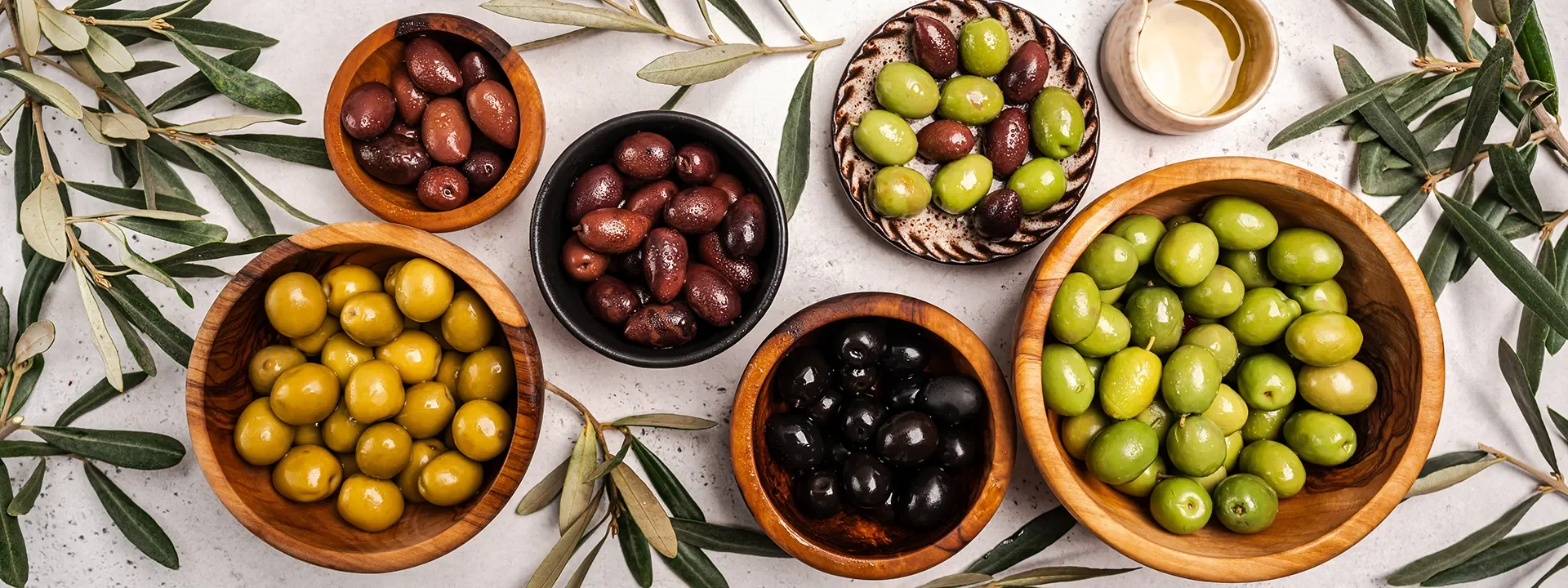
Their processing takes place in facilities certified to ISO 22000 and IFS standards, ensuring that each product retains its authentic flavor, safety, and stability required by modern markets. Our olives are packaged in various sizes and types of packaging – from glass jars and metal containers to industrial bulk containers – to adapt to every distribution channel.
Learn more about our olive varieties and packaging.
A coastal city, northwest of Crete, characterized by a typical Mediterranean climate – warm and dry in the summer months, mild in winter. Conditions ideal for the growth of olive trees and the enrichment of Cretan olive oil with the highest quality characteristics.
The history of Cretan olive oil is lost to the depths of time, while its beginning is placed in the era of the ancient Minoans. Findings from the 4th millennium BC, such as “pithoi” (storage jars for olive oil), were discovered in the palaces of Knossos, while the island’s economy from 2000 BC was based on the cultivation of the olive and the trade of olive oil to mainland Greece, the northern coasts of Africa, and the Middle East, making the Cretans some of the first exporters of olive oil.
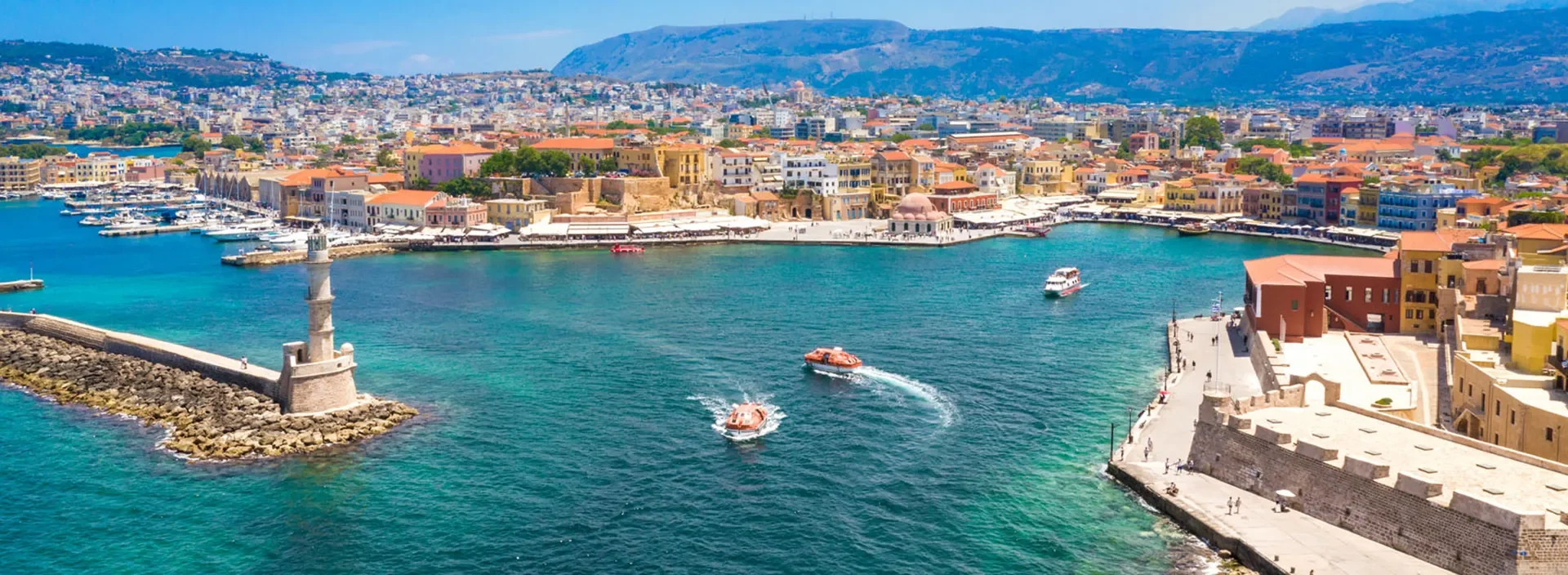
The Chania region produces approximately 30,000 tons of olive oil annually, 75% of which is extra virgin. Proof of the hundreds of years of tradition and history in olive cultivation are the centuries-old monumental olive trees of the prefecture, and indeed, some have been designated by UNESCO as monuments of tradition.
In Greek mythology, the olive is closely associated with Crete as the birthplace of the goddess Athena, daughter of Zeus. Athena is linked to the olive through her contest with the god Poseidon over the naming of the city of Athens, in which myth the banks of the river Triton in Crete are referenced.